I’m delighted to share a new article published in Judaica, in the thematic special issue Nature, Miracles, and Paradoxography in Biblical Reception of the First Centuries CE (2026). My contribution, “The ‘Miracle-Mongers’: The Gospels at the Edges of Empire,” reconsiders how we read the canonical gospels by placing them alongside a genre that ancient readers would have found immediately familiar: paradoxography, or literature of wonders.
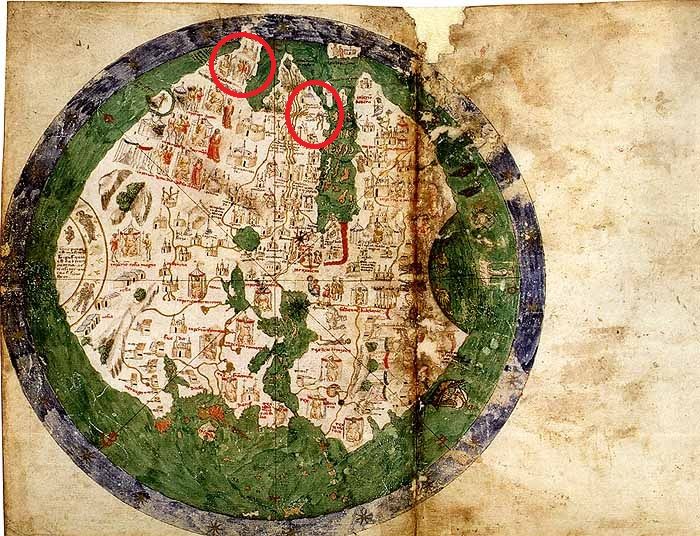
Ancient paradoxographical writing collected accounts of extraordinary phenomena—marvelous births, strange landscapes, unusual bodies, and astonishing healings. These texts functioned as ethnography, entertainment, and intellectual provocation, especially when describing places and peoples at the perceived "edges" of the Roman world.
In this article, I argue that the gospel writers are participating in precisely this literary project. Their accounts of Jesus’ miraculous conception and birth, his healings, and their depictions of Judea as a conceptually “foreign” space within the imperial imagination align the gospels with broader Greco-Roman practices of writing wonders. Rather than standing apart from elite literary culture, the gospels engage it—strategically and creatively.
A central case study is the Gospel of Mark. I suggest that Mark presents Jesus as a literary thauma—a “wonder” crafted to intrigue and unsettle readers. From this perspective, familiar theological categories such as the so-called "Messianic Secret" look less like purely doctrinal puzzles and more like recognizable literary topoi: techniques designed to instruct, entice, and withhold in ways that would resonate with Roman audiences accustomed to paradoxographical and epic traditions.
Reading the gospels in conversation with paradoxography does not diminish their theological significance--instead, it sharpens our understanding of how theological meaning is produced through literary form, genre, and imperial context. The gospels emerge not as naïve miracle collections, but as sophisticated works situated at the edges of empire—negotiating wonder, authority, and cultural difference through shared ancient conventions.
https://judaica.ch/article/view/12668
 Robyn Walsh